Thank you
for letting us care for you
and being a valued patient!
It is our goal to provide you with health and wellness
resources
as well as add additional value to your current CallonDoc subscription. This is the
first of monthly emails to help you manage your long-term health.
|


Next month we will be sending you some
additional resources in case
you're looking for more support.
|
|
|
|
|
|
What causes anxiety
& how do I manage it?
According to Healthline, while experts are not 100% sure about the exact cause of
anxiety, Recent research has identified some factors that can shed some light on a
person’s specific condition. Recent research has identified some top contributing
factors, such as:
|
|
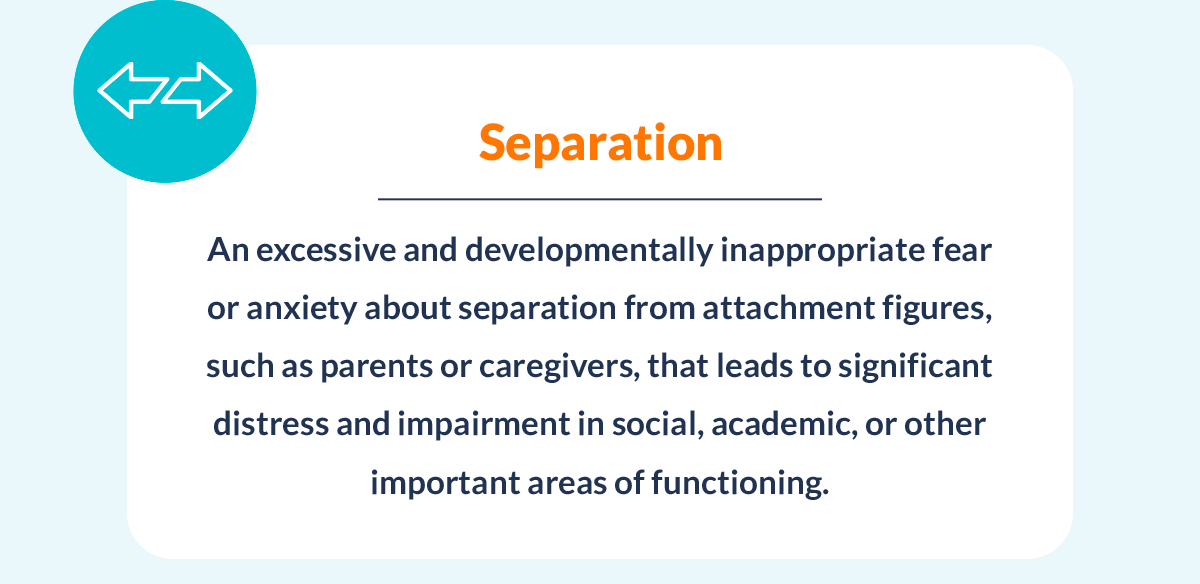
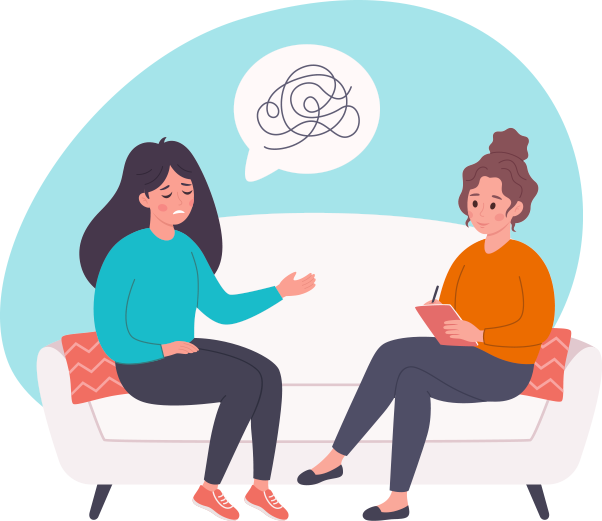
Child Development
Child development can play a significant role in determining a later general anxiety
diagnosis. Children who experience certain developmental challenges, such as attachment
issues or trauma, may be at higher risk of developing anxiety disorders later in life.
Additionally, environmental factors such as parenting styles, family conflict, and
socioeconomic status can also impact the development of anxiety.
|
|

|
|
Genetics can be a contributing factor in determining a
later general anxiety diagnosis. Research suggests that there is a heritable component
to anxiety disorders, with studies showing that people with a family history of anxiety
are more likely to develop an anxiety disorder themselves. Additionally, specific
genetic variations have been identified that may increase susceptibility to anxiety
disorders. However, genetics alone do not determine the development of anxiety
disorders, as environmental factors and life experiences also play a significant role.
|
|
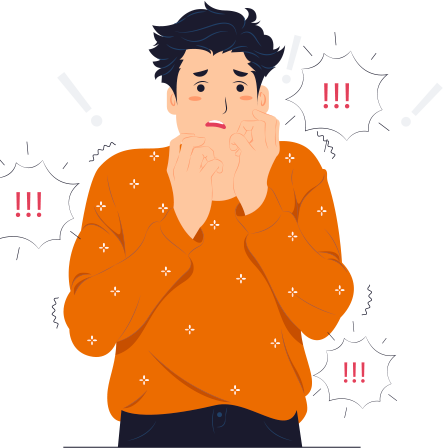
Specific substances
Substances like weed and alcohol can impact the development and severity of
generalized anxiety disorder. While some people may use these Substances to
alleviate anxiety symptoms in the short-term, they can ultimately exacerbate
anxiety in the long-term. Chronic use of substances like marijuana or alcohol
can disrupt
the brain's natural chemical balance and lead to changes in mood and anxiety
levels. Additionally, substance use disorders and anxiety disorders often
co-occur, meaning individuals with substance use disorders being more likely to
develop anxiety disorders and vice versa.
|
|
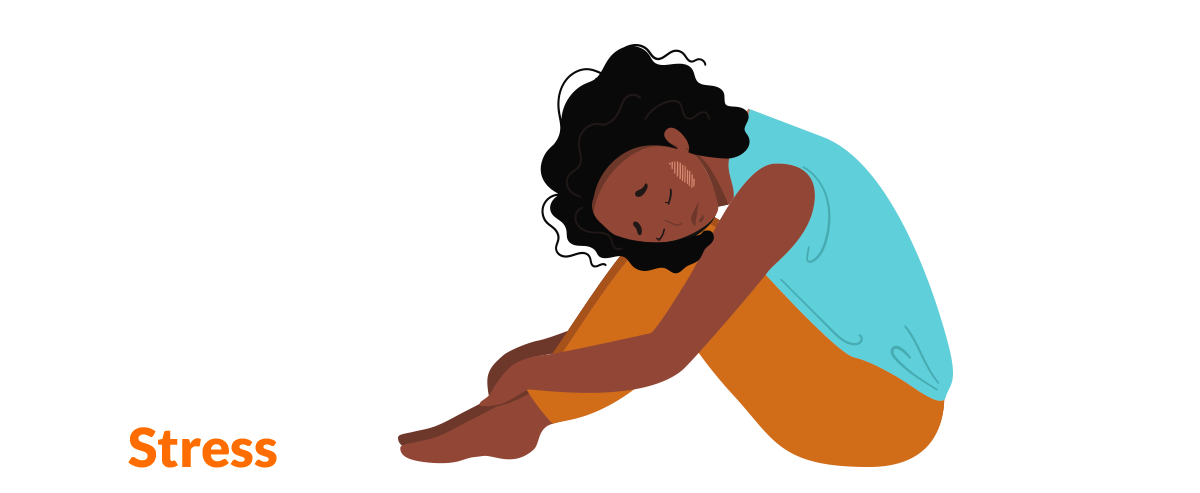
Chronic stress can lead to physical and psychological
changes that increase the risk of developing anxiety disorders. Prolonged exposure to
stress hormones, such as cortisol, can alter the brain's neurotransmitter balance and
contribute to anxiety symptoms. Additionally, stress can trigger or exacerbate anxiety
in individuals who are already predisposed to anxiety disorders.
|
|
|
|

|

|
|
|
Reduce or limit alcohol, caffeine, and tobacco use
|
Consider talk therapy
|
Get more sleep
|

|

|
|
Try to get daily movement
|
Have a solid support system of friends or family
|
|
In the meantime don't forget to check out our blog on everyday tips to help your
overall mental health.
Read Now
|

|
|
|
|