Thank you
for letting us care for you
and being a valued patient!
It is our goal to provide you with health and wellness resources
as well as add additional value to your current CallonDoc subscription. This is the
first of monthly emails to help you manage your long-term health.
|


Next month we will be sending you some additional resources in case
you're looking for more support.
|
|
|
|
As detailed in the Journal of Clinical Sleep Medicine (JCSM), insomnia has been
recognized as a condition in people for hundreds of years.
According to MedicalNewsToday, around 25% of adults in the United States have some form
of insomnia, with 6% to 10% of patients nationwide meeting the threshold for having
insomnia disorder. Research shows that 75% of patients suffer from short-term insomnia,
with many learning successful long-term solutions.
|
|

|
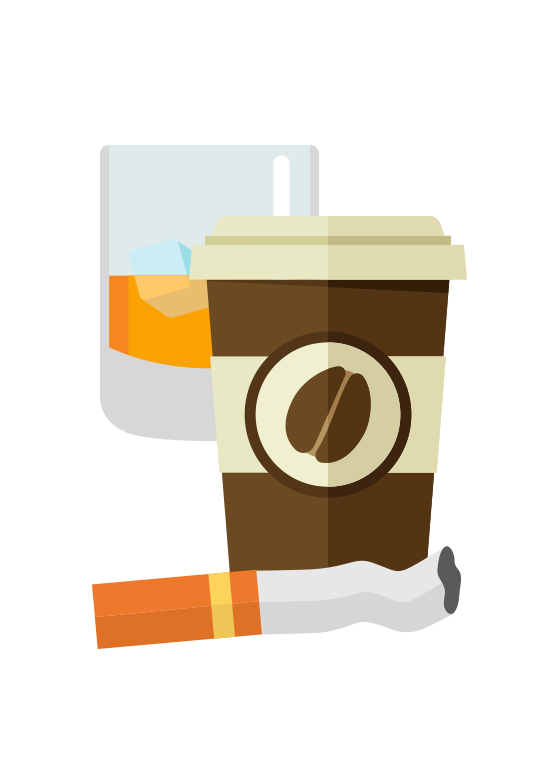
Avoid stimulants:
It goes without saying that caffeine will undoubtedly keep you awake or cut
a goodnight’s sleep short. However, a problem we’ve seen in some patients is the
consumption of popular carbonated drinks but not necessarily being aware that they
include caffeine or sugar.
|
|
|
Additionally, nicotine and alcohol can contribute to restlessness or lack of sleep. Most
experts agree you should not drink caffeine after 3 P.M. to get a good night’s sleep.
Alcohol and nicotine should be viewed similarly, for tobacco use it is recommended to
stop two hours prior to bed, and for alcohol at least four hours before.
|
|
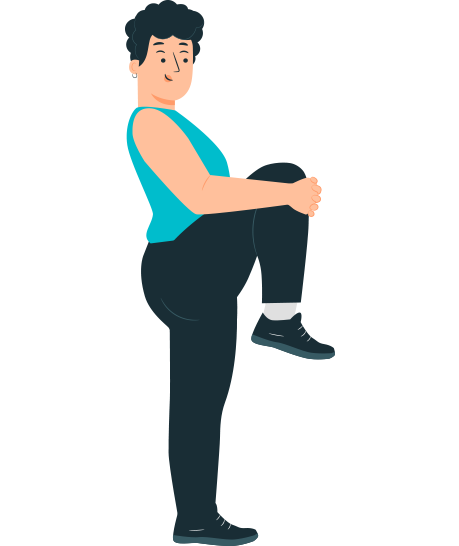
Exercise during
the day:
Physical activity can help improve the quality of sleep in several ways. It can
reduce stress and anxiety, boost mood, increase body temperature, improve
physical health, and regulate circadian rhythm.
|
|
Not only that, but exercise also releases endorphins and serotonin, which can boost
mood and promote relaxation.

Engaging in regular exercise earlier in the day and
choosing lower-intensity activities in the evening can help facilitate sleep.
|
|
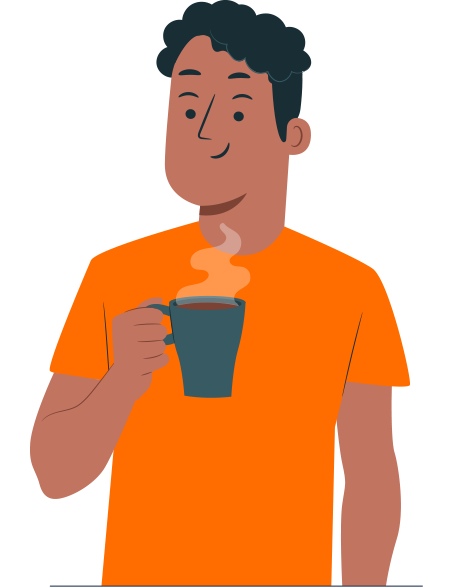
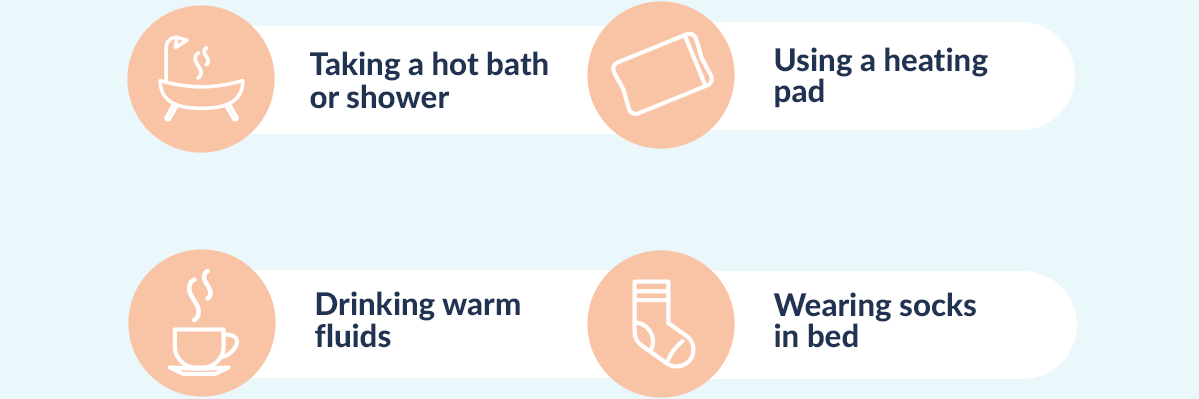
Warm up the body:
When the body is warm, blood vessels near the skin dilate, allowing for
increased blood flow and heat loss. This natural cooling process can help lower the
body's core temperature, which is associated with the onset of sleep. Some
suggestions include:
|
|
|
|
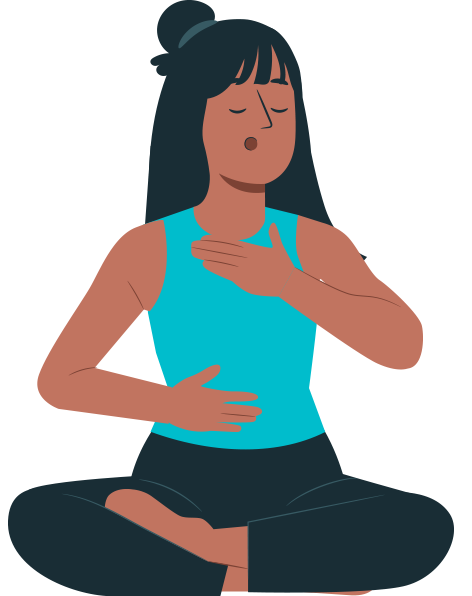
Manage stress:
When you experience stress, your body releases hormones like cortisol, which can
increase alertness and make it difficult to fall asleep or stay asleep. It can
also lead to racing thoughts and worries, making it difficult to relax and quiet
the mind at bedtime.
|
A few things you can try that have been known to help are:
|

|

|

|
|
Get support from friends or loved ones
|
Try deep breathing exercises
|
Listen to calming music
|

|

|
|
Practice yoga
|
Keep a journal
|
|
|
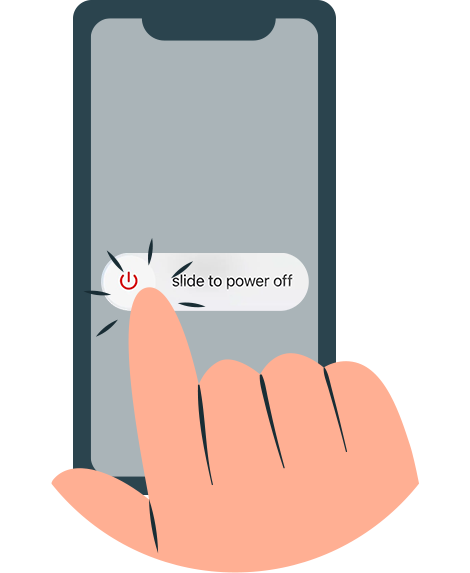
Turn off electronics:
According to the Sleep Foundation, the electronics we use every day play a
role in losing sleep. Not just because they are distractions, but because such
devices can stimulate us mentally and produce blue light, which activates a part of
the brain that believes there is still daylight present.
|
|
|
|
|
|
|
Need help with your subscription?
Connect with our patient support here
|
|